FMU Rolls Out 24-Hour Insurance Cover, Random Anti-Doping Tests for 2026 Rally Drivers
By Frank Kaheesi=
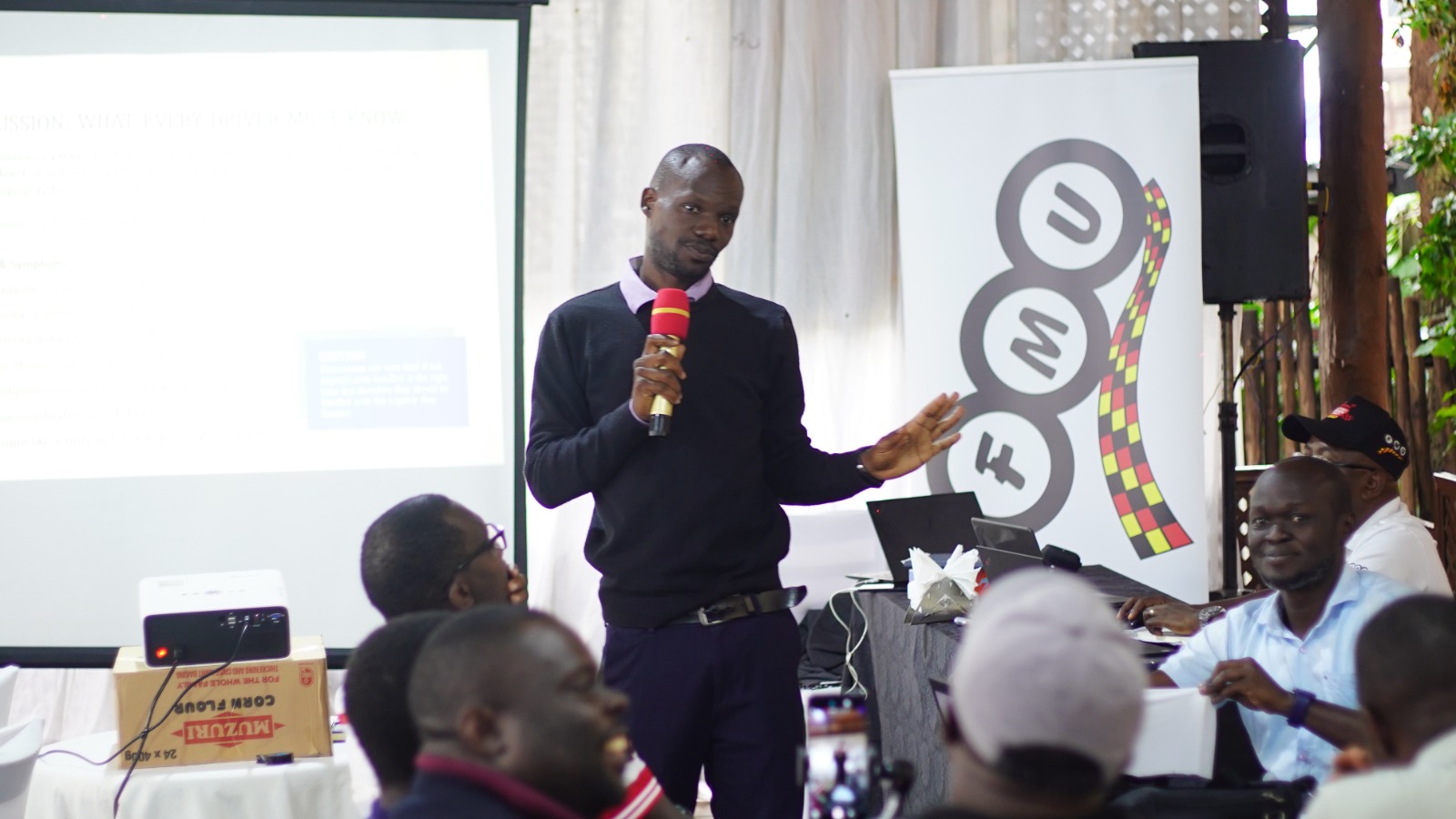
Uganda’s motorsport fraternity received a significant boost in competitor welfare and regulatory oversight after the Federation of Motorsport Clubs of Uganda unveiled a comprehensive 24-hour insurance policy and confirmed the introduction of random anti-doping tests for drivers ahead of the 2026 season. The announcement was made during the drivers’ symposium held at Kati Kati Restaurant in Lugogo, a meeting that continues to shape conversations as the National Rally Championship (NRC) edges closer.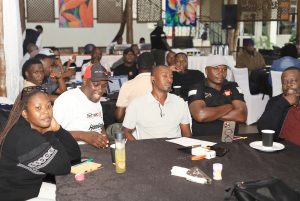
Addressing competitors, insurance representative Michael Ochieng revealed that the newly introduced cover extends beyond the competitive stages, protecting drivers both on and off the track, locally and internationally. The policy includes medical reimbursement of up to 20 million Ugandan Shillings, body repatriation, death benefits, total permanent disability cover, emergency transport, and rescue services a move widely viewed as a progressive step toward enhancing driver security.
“Medical reimbursements of up to 20 million is paid to victims, apart from other services provided,” Ochieng explained, while urging competitors to maintain transparency when submitting claims. He emphasized that compensation will strictly rely on genuine documentation, including authentic receipts.
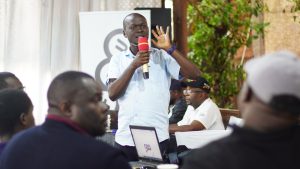
Medical preparedness also formed a central pillar of the discussions. FMU Medical Delegate Dr. Derrick Okech reiterated the importance of mandatory medical assessments as required by the Fédération Internationale de l’Automobile (FIA), clarifying that the outlined tests on licensing forms are internationally guided standards. According to Okech, drivers may not be required to complete every listed test initially, but any medically recommended evaluation will be compulsory before licensing is granted.
Beyond welfare and medical compliance, the federation outlined several sporting rule updates aimed at modernizing competition management. Among the key changes is the mandatory use of onboard cameras, which will now serve as primary evidence during protests and petitions a development expected to reduce disputes and improve adjudication transparency. Additionally, the introduction of a Team Championship has been welcomed as an innovation that could strengthen team identity while opening new sponsorship pathways within the sport.
Safety scrutiny remained uncompromising, with FMU scrutineer Moses Sseguya stressing that all drivers must present fully compliant safety gear and certified vehicles during scrutineering. He cautioned competitors against arriving with incomplete equipment, noting that safety regulations will be strictly enforced without exceptions.
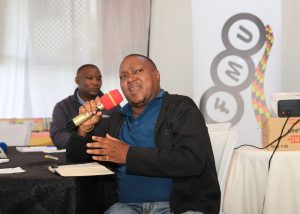
Meanwhile, the unveiling of an eight-round NRC calendar sparked mixed reactions among drivers, many expressing concern over the financial strain associated with the expanded schedule. However, the debate took an interesting turn when driver Ambrose Byona pledged to sponsor the proposed eighth round if it is hosted in his home area of Kabale a gesture that drew both intrigue and optimism about the possibility of spreading rallying deeper into regional communities.
The introduction of random anti-doping testing further underscored FMU’s commitment to aligning Ugandan motorsport with global sporting integrity standards. While details on implementation timelines remain forthcoming, the measure signals a clear stance on fair competition as the 2026 season approaches.
With enhanced insurance coverage, stricter medical requirements, evolving sporting regulations, and an ambitious championship calendar on the table, the symposium highlighted a federation determined to professionalize the sport while safeguarding competitor welfare. As anticipation builds toward the season opener, the discussions in Lugogo have set the tone for a championship poised to be both competitive and structurally progressive.